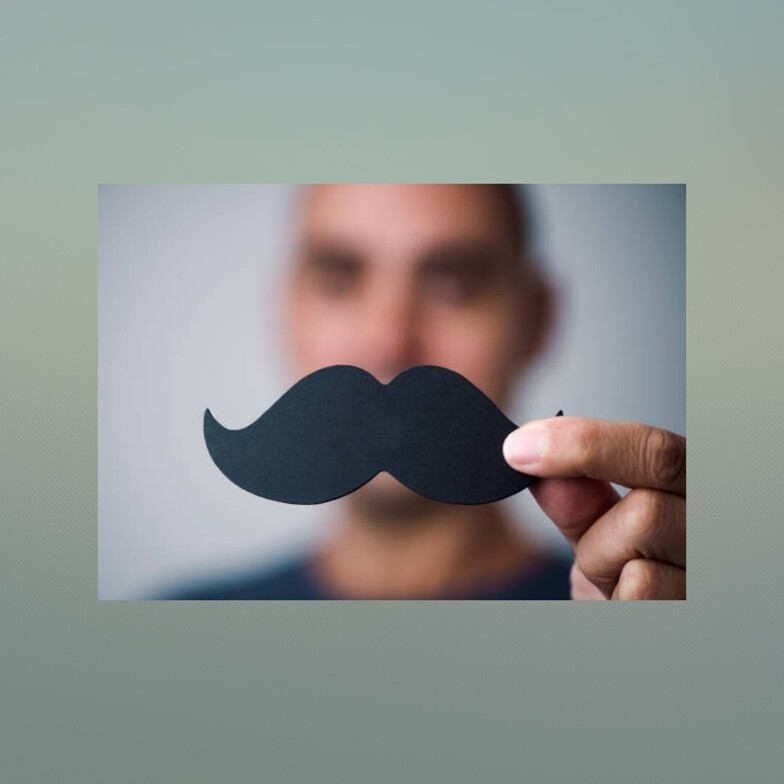
Movember: Beyond the Moustache
Every November, something interesting happens. Perfectly respectable men suddenly decide to shave their faces and embark on a month-long experiment in facial hair, attempting to grow the best moustaches they can. Some manage to grow a full moustache with a commanding presence, while others struggle with the awkward, patchy beginnings of what might eventually become a top-shelf duster. Whether it's an opportunity to trial a bold new look, participate in a social display of questionable facial hair decisions, or simply give the razor a month off, Movember draws attention, regardless of the reason.
Beyond the moustaches and awkward growing stages, however, Movember stands for a much bigger purpose. What started as a fun way to spark conversations through facial hair has grown into a worldwide movement focused on men's health. Each November, Movember encourages men to pay attention to their physical and mental well-being, raise awareness about prostate and testicular cancer, and open up conversations about mental health and suicide prevention.
A Conversation Worth Having
Men's health encompasses much more than physical fitness or routine medical checkups. It includes mental health, emotional well-being, relationships, and the ability to recognize when something isn't quite right.
One of the ongoing challenges surrounding men's health and wellness is the difficulty many men experience in talking openly about what they're going through or recognizing what supports might be available. Social expectations surrounding masculinity can create unrealistic narratives and pressure to appear strong, independent, and self-reliant. For some, this can make expressing vulnerability, acknowledging emotional struggles, or reaching out for support feel uncomfortable or even unattainable. Unfortunately, the statistics highlight just how important these conversations are.
According to the Canadian Cancer Society, approximately 1 in 9 Canadian men will be diagnosed with prostate cancer during their lifetime, with 1 in 29 dying from the disease. Approximately 1 in 230 men will also be diagnosed with testicular cancer. While the survival rate of testicular cancer is about 97%, the emotional and mental toll it takes can be significant. The statistics surrounding men's mental health are equally concerning. According to the Public Health Agency of Canada, men are almost three times more likely to die by suicide than women and account for approximately 75% of suicide deaths in Canada.
When asking for help or showing vulnerability is viewed as a weakness, the consequences can be devastating. These attitudes and expectations need to change, and that change starts with making conversations about men's health, both physical and mental, a normal part of everyday life.
So, What Can We Do Differently?
Start conversations: Check in with the men in your life. Sometimes a genuine conversation and a willingness to listen can make a meaningful difference. You don't always need to have the right words or provide solutions. Sometimes, simply creating space for someone to talk is enough.
Prioritize physical health: Stay informed about recommended health screenings, attend routine medical appointments, and address concerns rather than putting them off. Taking care of your physical health is just as important as taking care of your mental health.
Make room for emotional health: Recognize that stress, anxiety, grief, relationship difficulties, and other emotional challenges are worth addressing. These are normal human experiences, not signs of weakness or something that needs to be dealt with alone.
Challenge expectations: Encourage a broader understanding of masculinity that makes room for vulnerability, connection, and asking for help. Challenge traditional narratives about what it means to "be a man." Question the social expectations surrounding masculinity, give yourself permission to feel what you feel, and dare to rewrite your own definition of masculinity. Sometimes, leading by example is the most meaningful way to create change.
Stay connected: Maintain meaningful relationships and make time for friendships, family, and activities that contribute to overall well-being. Guys need friend groups too, especially those that encourage authenticity, vulnerability, and emotional expression. Having people you can genuinely connect with, laugh with, and lean on when life gets difficult is an important part of maintaining good mental health.
Movember is a reminder that men's health shouldn't be something we think about for just one month of the year. It needs to become a regular part of our conversations, relationships, and everyday lives. Taking care of yourself isn't a weakness, and everyone deserves the opportunity to express their concerns and have their voice heard without fear of judgment.
Let's move beyond the moustache and make men's health part of the conversation. Because while growing a moustache might get someone's attention, the conversations it starts could make a much bigger difference.