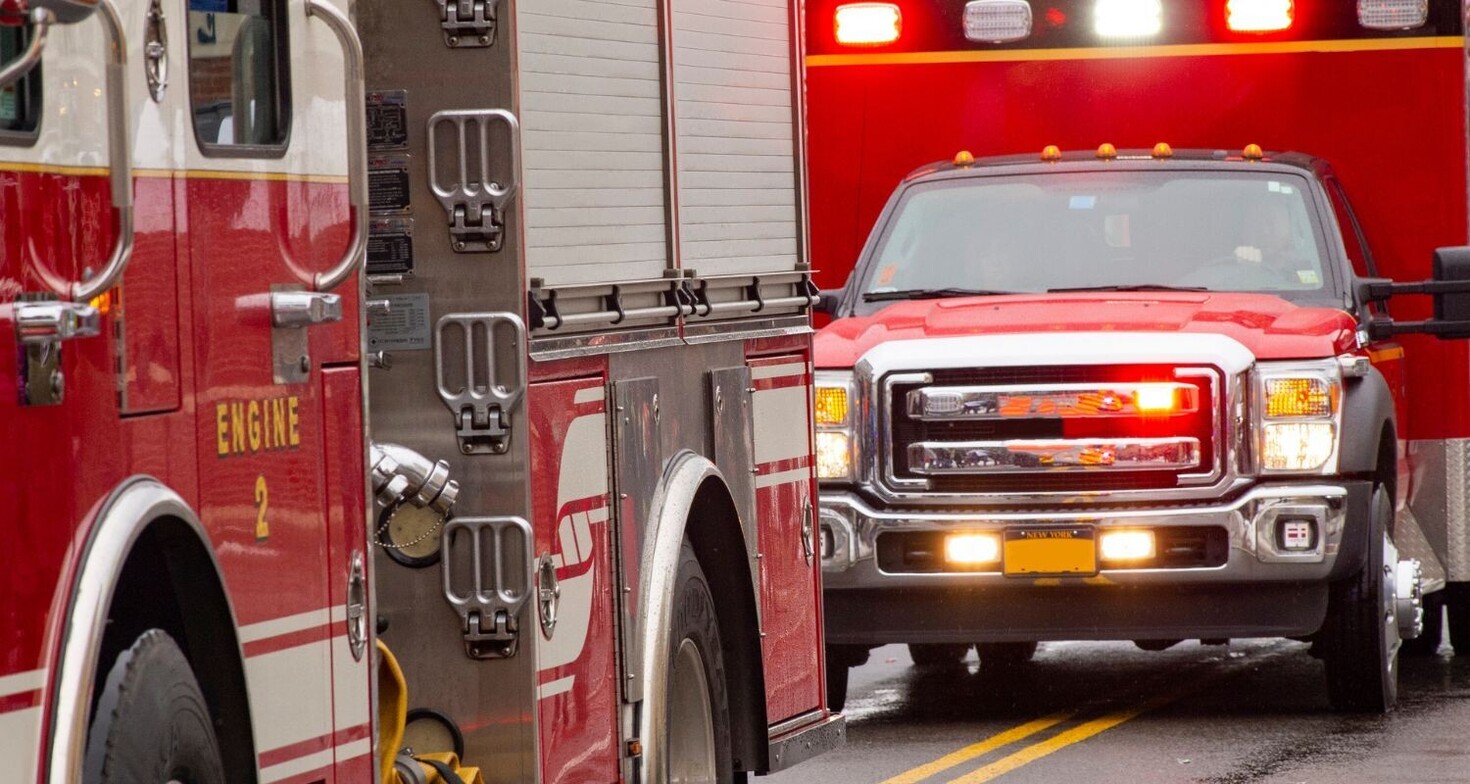
You respond to the calls no one else wants to take. As a police officer, firefighter, paramedic, or emergency dispatcher in Lethbridge, your job asks more of you than most people will ever fully understand. And often, the hardest part is not the shift itself. It is what comes after.
At Associates Counselling Services, we specialize in supporting first responders with their mental health. We know that the weight of this work does not stay at the station, and we are here to help you carry it differently.
Why First Responder Mental Health Requires Specialized Support
First responders are not just exposed to stress. They are repeatedly exposed to trauma, grief, and crisis, often without adequate time or space to process what they have seen. Over time, this builds into something clinicians call cumulative stress, and it is one of the most common and least talked about challenges in emergency services.
Cumulative stress does not announce itself the way a single traumatic event might. It creeps in gradually. You might notice you are sleeping poorly, feeling detached from people at home, or finding it harder to feel anything at all after a difficult call. These are not signs of weakness. They are predictable responses to an extraordinary amount of pressure.
What makes first responder mental health care different is that it requires a counsellor who genuinely understands your world. The shift work, the culture of toughness, the way you have learned to compartmentalize, these are not problems to fix. They are context. Good therapy starts there.
Recognizing the Signs That It Is Time to Reach Out
Many first responders wait far longer than they should before seeking support. There is a well-worn belief in emergency services that struggling means you cannot handle the job. It is a belief that keeps a lot of people stuck.
If any of the following sounds familiar, it may be worth talking to someone:
- Intrusive thoughts or memories from calls that will not leave you alone
- Feeling emotionally numb or disconnected from your family and friends
- Using alcohol or other substances to wind down after shifts
- Persistent irritability, anger, or a shortened fuse at home
- Avoiding things that remind you of difficult incidents
- Loss of interest in activities or people that used to matter to you
- Physical symptoms like chronic tension, fatigue, or poor sleep
These are not personality flaws. They are signals that your nervous system is working hard to cope with more than it was designed to handle alone.
Therapy for PTSD and Trauma in First Responders
First responder PTSD is significantly more prevalent than in the general population, yet it remains underdiagnosed and undertreated. Part of the reason is that many first responders are skilled at presenting as fine, even when they are not. Another part is that the symptoms can look different in this population than in civilian trauma contexts.
Therapy for stress that has accumulated over years looks somewhat different. It often involves building awareness of how cumulative stress has shaped your thinking and behavior, developing regulation tools that actually fit your lifestyle, and gradually reconnecting with the parts of yourself that the job has pushed to the background.
What Counselling for First Responders Looks Like at Associates
At Associates Counselling Services in Lethbridge, we work with police, fire, EMS, and PSCC personnel from the City of Lethbridge. Our counsellors understand the specific culture and demands of emergency services, and sessions are designed to feel practical and grounded, not clinical or disconnected from your reality.
Counselling for first responders here starts with a simple conversation. There is no expectation that you arrive with everything figured out. Some people come in knowing exactly what they want to work through. Others just know that something is not right and are not sure where to start. Both are completely valid.
From there, your counsellor works with you to understand what you are experiencing, what matters most to you, and what kind of support will actually be useful. The goal is not to make you into a different person. It is to help you feel more like yourself again.
You Do Not Have to Be in Crisis to Ask for Help
One of the most important things to understand about therapy is that you do not have to hit a breaking point before reaching out. Many first responders find that connecting with a counsellor during a calmer period, before things escalate, makes a meaningful difference in their resilience over the long haul.
If you have been carrying something for a while, or you are just starting to notice the weight of it, reaching out now is not premature. It is smart.
The content in this blog is for informational purposes only and is not a substitute for professional medical advice, diagnosis, or treatment. Always consult your doctor or a qualified healthcare provider before trying new healthcare protocols.

.jpg)